Jiangnan Art Tea
Authentic Chinese Wuyi Rock 105 Tea Yancha Huang Guanyin Oolong Yellow Guanyin High Mountain Wulong 50g 黄观音
Authentic Chinese Wuyi Rock 105 Tea Yancha Huang Guanyin Oolong Yellow Guanyin High Mountain Wulong 50g 黄观音
Couldn't load pickup availability
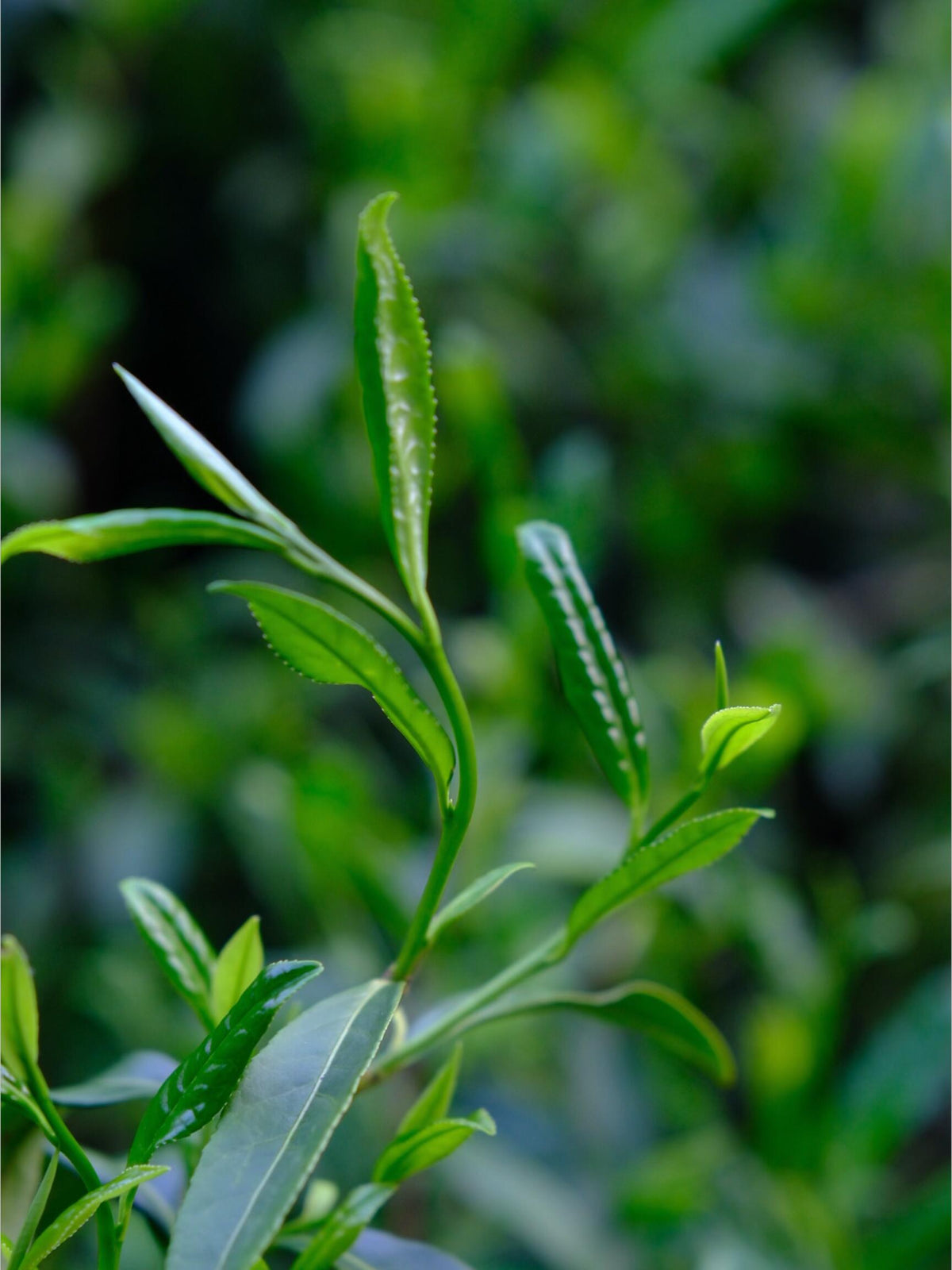
What is "Huang Guanyin" Wuyi Rock Tea?
Varietal Origin
Huang Guanyin is a new tea cultivar developed through artificial crossbreeding. It was assigned the research code 105 and is also known as Mingke No. 2.
Its parent cultivars are Tieguanyin, known for its elegant orchid fragrance, and Huang Dan, renowned for its rich and pronounced floral aroma.
By inheriting the aromatic characteristics of both parents, Huang Guanyin naturally possesses an exceptionally vibrant and pronounced fragrance.

The most distinctive characteristic of Huang Guanyin is its fragrance. Its exceptionally vibrant aroma makes it one of the most aromatic cultivars among Wuyi Rock Teas.
Aroma Profile:
The fragrance is high-pitched, intense, and remarkably penetrating, often featuring distinct notes of gardenia and magnolia. Depending on the tea and processing, subtle layers of sweet fruitiness and delicate woody notes may also emerge.

Where is this Yellow Guanyin Oolong from?

Soil advantages: The raw material tea garden of this tea is located in the Zhengyan Mountain area of Wuyi Mountain in Fujian Province. Zhengyan tea land (purple gravel rock): represented by the famous three pits and two streams (Hui yuan keng, Da keng kou, Niu Lan keng, Liu Xiang Jian, Wu Yuan Jian), as well as Hui Yuan Yan, Tian Xin yan, Ma tou yan, Zhu ke, Jiu long ke, San yang feng, Shui lian dong, etc. The soil contains a lot of gravel, reaching 24.83%-29.47%, with a thick soil layer, loose soil, and a porosity of about 50%. The soil has good air permeability, which promotes drainage. The rock valley is steep, the sunshine is short in summer, the cold wind is blocked in winter, the valley bottom seeps water, and the surrounding vegetation conditions are good, forming a unique "tea soil" for Zhengyan tea. The soil layer is thick, rich in potassium and manganese, the soil acidity is moderate, and the soil is mostly gravelly. These advantages are very conducive to the growth of tea trees, so the tea fragrance is unique and high, and the tea leaves contain more substances.


Origin: Fujian Province, China
Tea Varieties: Chinese Oolong Tea— Yellow Guanyin
Production time: 2025
Net weight: 50g/ 6 bags( each sachet 8.5g)
Tea shape: Dry tea leaves: tight and strong, dark brown and oily in color; soaked tea leaves: soft, bright and even, with red edges.

Tea soup: Orange-red, bright, translucent

Flavor profile:
The first sip reveals an exceptionally rich and expressive aroma, with prominent fresh gardenia notes accompanied by a soft, delicate magnolia fragrance.
The tea liquor is smooth, mellow, and pleasantly refreshing. Compared with Rou Gui, it has a lighter and fresher mouthfeel, without the same intensity or weight.
The dry leaves carry a subtle roasted caramel aroma, which is barely noticeable in the brewed tea.
Its fragrance is remarkably persistent and beautifully integrated into the tea liquor, lingering on the palate. It also offers excellent infusion endurance, maintaining its fragrance and flavor over many steepings.
Storage: sealed, clean, protected from sunlight, moisture and odor
Oolong tea benefits:
1. Eliminate fatigue and refresh the mind
2. Relieve heat and prevent heatstroke
3. Promote fluid production and promote diuresis
4. Kill bacteria and reduce inflammation, and prevent skin aging
5. Lose weight
6. Prevent cancer, lower blood lipids and blood sugar
7. Anti-aging
8. Prevent tooth decay
Brewing method:
Tea set selection: gaiwan or Chaozhou clay teapot
Recommended water temperature: around 100℃ just boiled water (212℉);
Tea to water ratio 1:15/ 20
First step: preheat your Gaiwan/teapot and rinse tea for a few seconds, then throw away the water. Now we start the first infusion: 5-15s; second infusion 5-15s. Third and fourth infusion 10-20s. After the fifth infusion, you can extend the steeping time appropriately, depending on your personal preference and taste.
Brewing Tips:
1. You can try the high pouring method, that is, raise the kettle and pour water along the edge of the gaiwan/teapot, which can better stimulate the tea aroma.
2. Make sure to pour the tea soup cleanly when pouring each infusion, otherwise it will affect the taste of the next infusion.
3. When tasting oolong tea da hong pao, you can first smell the fragrance and feel its unique aroma, then sip slowly and savor its mellow taste and rock rhyme (Yan Yun).
P.S Please provide your phone number when placing an order. This is very important when shipping the package. I appreciate any help you can provide.